
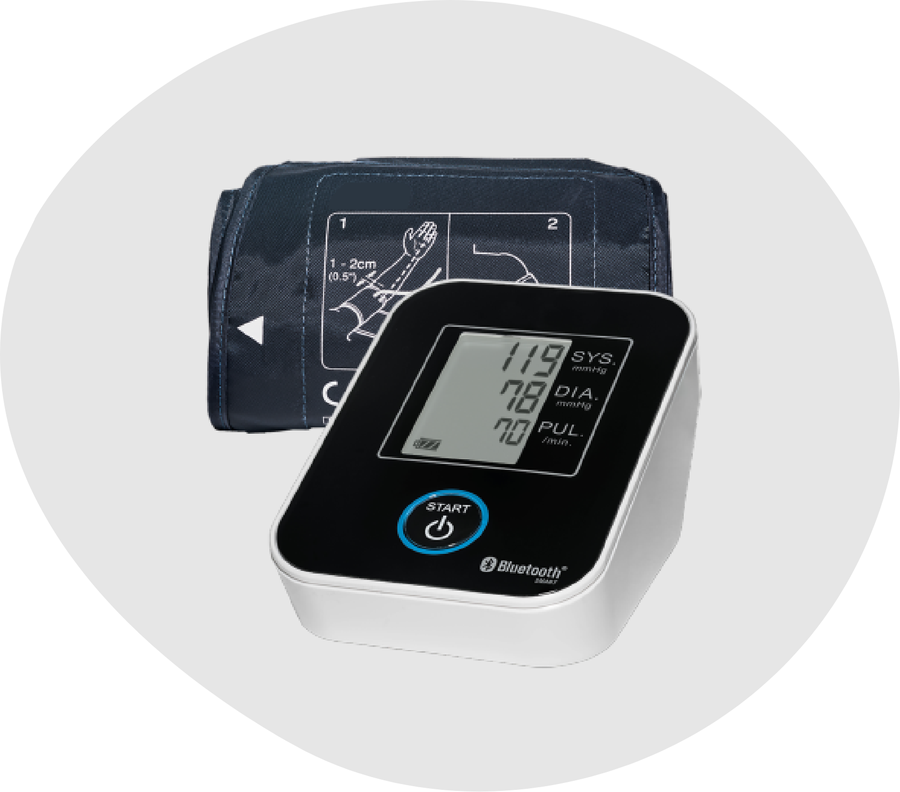
Blood pressure
Upper-arm cuff with a large display. Seated readings, morning and evening, on the schedule your team sets.
We ship the devices, train your staff in one session and review blood pressure, weight, SpO₂ and glucose around the clock from our Philadelphia monitoring center. You get the alerts, the monthly reports, and the documentation your practice bills from.
Escalated to the ordering clinician at 08:04. Protocol: three consecutive systolic readings over 140.
The problem
About half of U.S. adults have high blood pressure, and fewer than one in four have it under control (CDC). The readings that would change a treatment plan happen at home, on a Tuesday morning, and nobody sees them.
So the same conversation repeats every three months: “How have you been?” — answered from memory, with a cuff taken once in a waiting room.
Remote physiologic monitoring exists to replace that guess with a record. Not a gadget program: a schedule of readings, a clinician who reviews them, and a documented trail of what changed and when.
What you get
A monitoring program fails on logistics long before it fails on medicine: devices that never arrive, patients who cannot pair them, alerts nobody owns. We took all of that.

What we don't do
We don't replace your EHR, and we don't make clinical decisions for you. We watch, escalate and document — your team treats.
The workflow
Written as a sequence, because “we handle it” is not a workflow. This is the one we run for every practice that starts with us.
45 minutes with your clinical lead: patient criteria, device mix, alert thresholds, escalation contacts.
30 minutes on consent, enrollment and reading the reports. Recorded for anyone who misses it.
We call each patient, confirm consent, configure and ship their kit, and test it on arrival.
Daily values arrive. Our clinical team reviews them against your protocol, around the clock.
Monthly summaries reach your team, with the alert log and the interventions already written up.
| Who does what | Monitor Health | Your practice |
|---|---|---|
| Patient contact | Enrollment call, consent, kit walkthrough, technical support | Clinical relationship and care plan |
| Hardware | Configuration, shipping, replacement, returns | — |
| Monitoring | Daily review, threshold alerts, escalation to your contact | Clinical judgement and treatment changes |
| Documentation | Monthly report, alert log, intervention record | Submit the claim; keep the record of care |
Timeline assumes standard device availability and a signed business associate agreement.
The kit
Every device is paired and tested before it leaves us. If one fails, it is replaced — the practice never buys hardware and the patient never debugs it.
Upper-arm cuff with a large display. Seated readings, morning and evening, on the schedule your team sets.
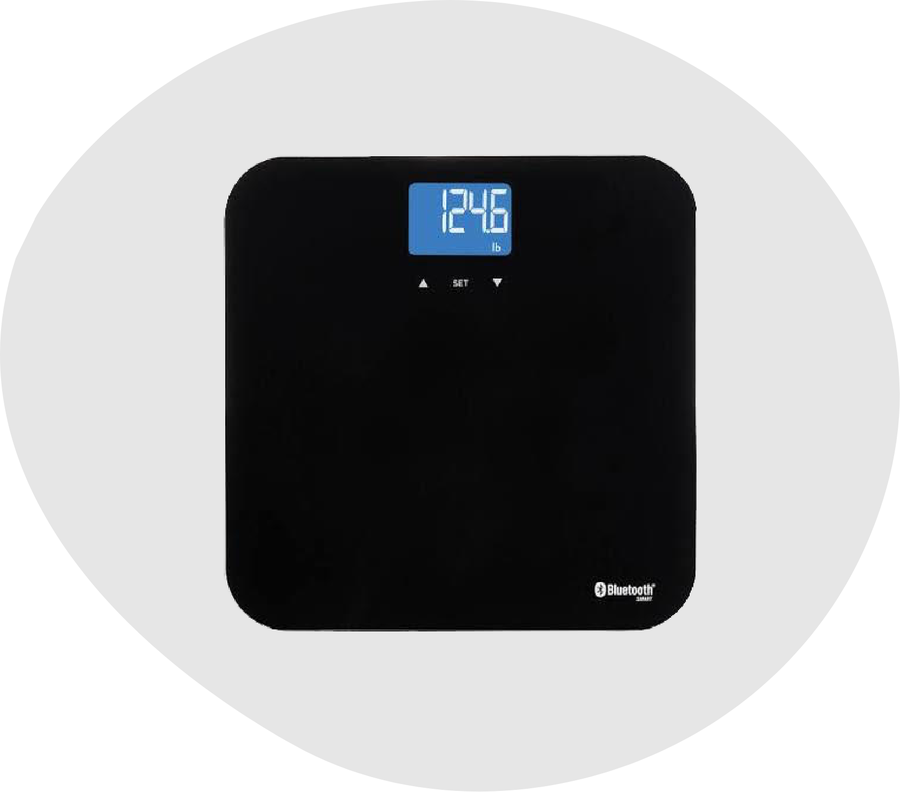
Daily weight is one of the earliest signals of fluid build-up in heart failure. Step on; the reading sends.
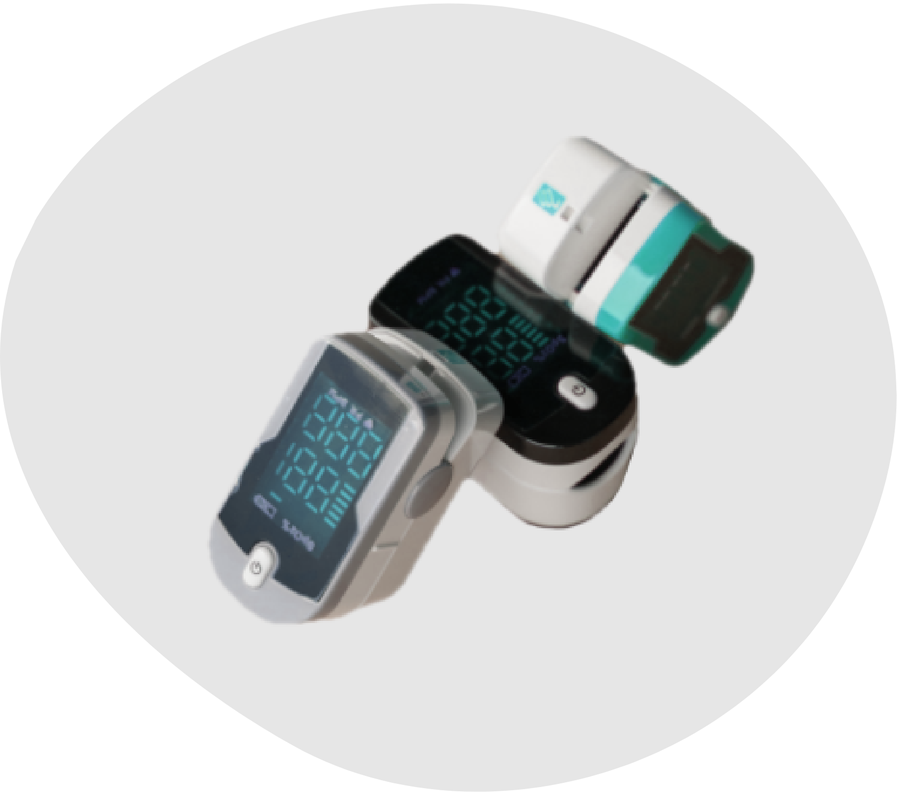
SpO₂ and heart rate for respiratory and cardiac patients, taken on the days your protocol specifies.
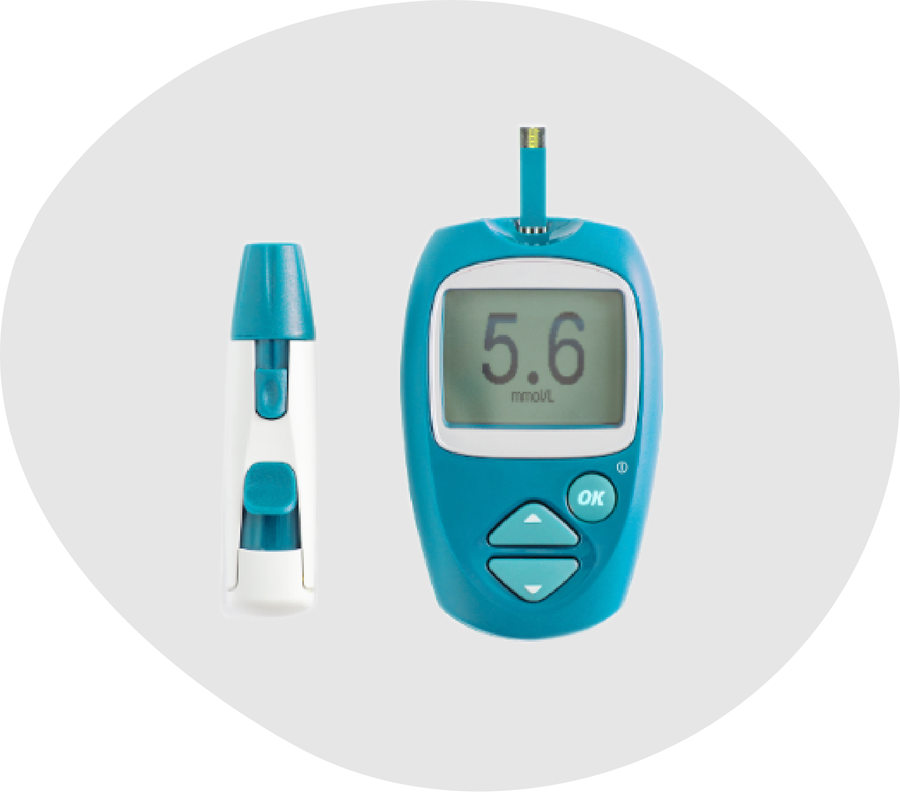
Blood glucose readings for diabetic patients, using the strips and routine they already know.
Optional add-on
A seven-day dispenser with no screens and no buttons — designed for patients who cannot manage a phone app, including dementia and Alzheimer's routines.
The economics
Remote physiologic monitoring is billed under four CPT codes. The practice needs daily readings, a documented monitoring period and a monthly summary — the three things our program produces by default.
| Code | What it covers |
|---|---|
| 99453 | Set-up and patient education on the equipment — one time per episode |
| 99454 | Device supply with daily recordings or programd alerts, per 30 days |
| 99457 | Treatment management, first 20 minutes per calendar month |
| 99458 | Each additional 20 minutes per calendar month |
Evidence
Monitor Health monitors patients for practices across the country. The numbers are cumulative — readings taken, reports written, devices managed.
patients monitored to date
clinical reports prepared
devices configured and managed
report turnaround after study completion
“Our patients are excited to do these studies at home. Knowing someone is professionally watching them gives our practice peace of mind.”
“Five years working with Monitor Health on our rhythm clinic. Reports, alerts and communication have been consistently strong, including when things get difficult.”
For patients & families
Take the reading. Put the cuff back in the box. That is the job. Everything else — the app, the chart, the person deciding whether a number matters — is on our side.

Before you decide
No
The hardware stays ours. Devices ship configured, get replaced when they fail, and go back to us at the end.
No
No integration build, no IT ticket, no new system for your front desk to learn before the first patient.
No
We start with a 90-day pilot and agreed success measures. What happens after it is a decision, not a default.
No
They stay yours. We monitor, escalate and document — the relationship and the treatment plan remain with you.
Questions
Anything missing? Ask on the call — we would rather answer it before you enroll anyone.
Typically patients with hypertension, heart failure, diabetes, obesity, or a recent hospital discharge. Payer criteria vary by plan and condition, so we check eligibility before enrollment rather than after the first claim.
Our clinical team in Philadelphia, 24 hours a day. Alerts follow the thresholds and escalation path your practice approves — including who we call, and in what order.
No. Your EHR remains the record of care. We supply the readings, the alert log and the monthly report in a form your team can use for documentation.
There is no capital purchase. Pricing follows patient volume, device mix and support level, and is quoted after the demo. Hardware, shipping, replacement and patient support are part of the program.
There is no app for the patient to learn. The kit arrives set up and readings send themselves. A family member or carer can help, and our support line is staffed by people, not menus.
Most practices complete the protocol call, training and first enrollments inside two weeks. The first monthly report follows 30 days later.
We ship a replacement and take the faulty unit back. The practice never buys or stores hardware, and the patient is not left without a device mid-monitoring period.
Start here
We will run the pilot, write the reports and show you the numbers at 90 days. If it is not working, you have lost a quarter of a program — not a capital budget.